I wrote this a little over a year ago, and after an incredible year in Southern Oregon I think it's a good time to look back at my experience in the second poorest country in the Western Hemisphere.
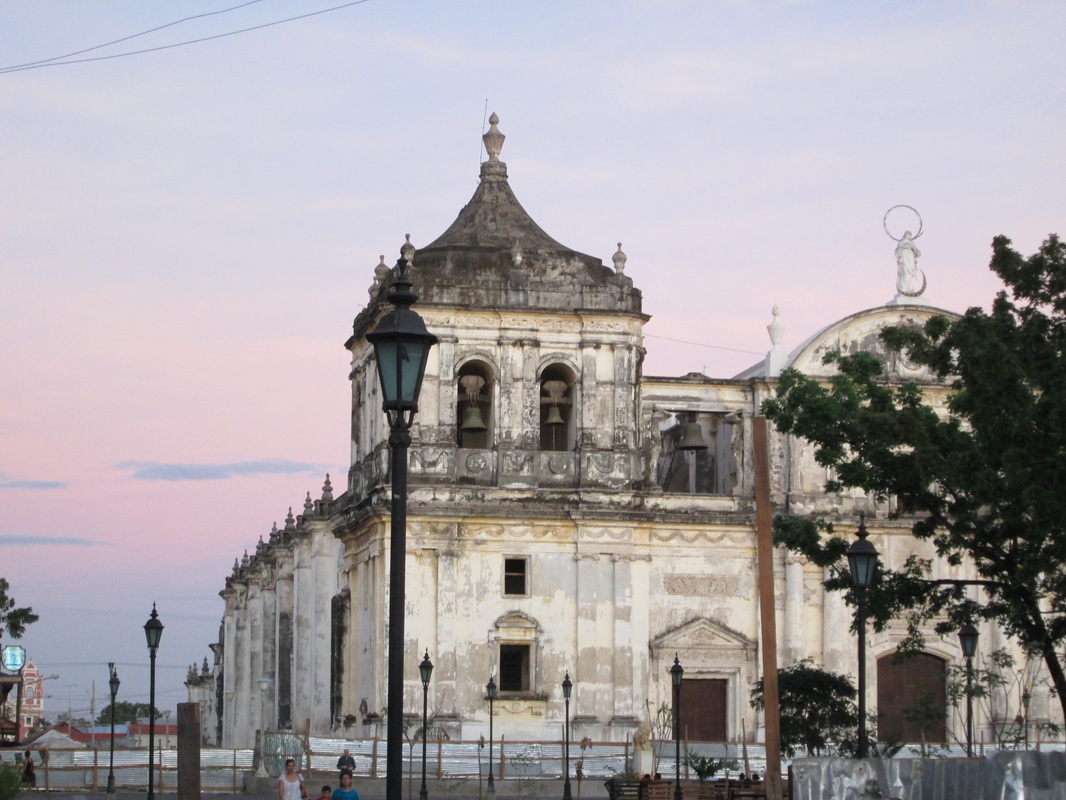
The Cathedral in León
Time has a strange way of passing in La Laguna. Weather, although marked by the rainy and dry seasons, does not have the same manner of changing my perception of the natural environment as it does in the United States. The Holidays are also an entirely different experience than what I was brought up with. Thus, nearly a year after I first made my way down the road to the volcanic crater lake of Laguna de Apoyo to serve as a member of The Peace Project team, I found my self bringing in the year 2014 on a Granada street corner. The street and sky were filled with a beautiful and quintessentially chaotic barrage of fireworks and firecrackers. Now, almost a month into this new year I'm at a another life junction. My time in Nicaragua is soon going to be marked by my absence rather than any of the incredible things in which I've participated or bore witness to. No longer will I stand in La Laguna at night and watch lightning strike behind the ridge near Granada or walk at dusk after the first rain when the world is converted into a firefly fairyland. Nor will I be able to stand on the deck of The Peace Project and watch a white wall of water moving toward me as the winds pick up and everyone rushes around to remove clothes from the line and other items from the rain. I won't even get to casually happen upon snakes swallowing a geckos whole, or find tarantulas and scorpions.
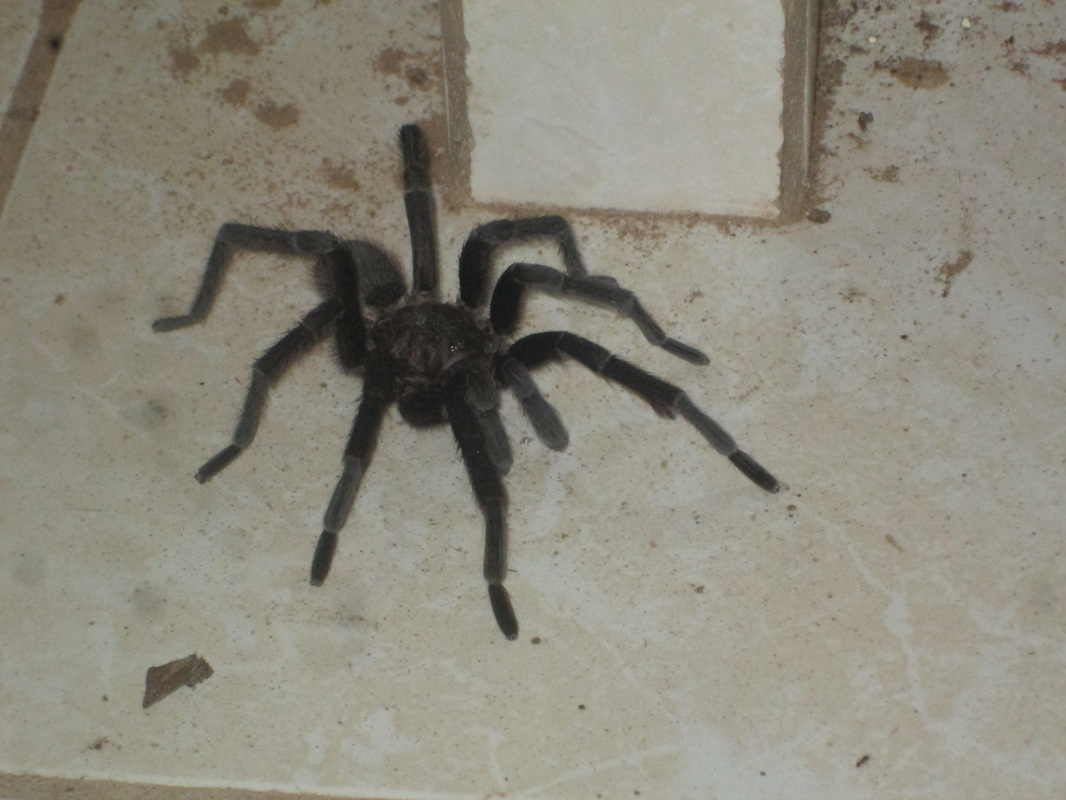
A tarantula chillin' outside of our rooms.
Nonetheless, as incredible and improbable as living a year within a volcanic crater may be, the extraordinary inevitably becomes the ordinary. Being kept up at night or awaken in the morning by howler monkeys and toucans becomes a nuance rather than a story. Experiencing the mundane aspects of life in a poor country were important parts of my time here. Without having washed clothes by hand for months or waited for buses for far too long I wouldn't truly appreciate or understand the country that I have been living in, nor would I have got to experience the incredibly warm and helpful culture that has been fostered by a country with such a big heart, and so few material
things. Being the product of a comfortable existence in a wealthy community in the US I often catch myself with feelings or attitudes grounded in first-world and privileged entitlement, never the less, nothing brings me back to the here and the now like asking one of my students if they have eaten today.
For an experience to be worthwhile, I believe there must be some difficult elements. Although I put myself wholeheartedly into everything I did, I do not think that teaching English as a second language is a strength of mine. Attempting to teach English, and instill a respect for educational time was one of the most draining aspects of my experience. I'm sure that other individuals could have done better, however I gave it all I had. I did not see the progress I had hoped to see over the course of my year here. I can only hope that in the years to come some of my students will use the base that I provided them to excel in English, and all areas of their young lives.
The community that I'm leaving here is international, exciting, creative, artistic, passionate and dedicated. I'm sad to leave such an incredible group of people at The Peace Project behind. The volunteers, travelers, students and locals I've met and befriended have all become part of my life journey. Even as my every day life here fades into memory they will forever have impacted me, and for that I'm thankful.
things. Being the product of a comfortable existence in a wealthy community in the US I often catch myself with feelings or attitudes grounded in first-world and privileged entitlement, never the less, nothing brings me back to the here and the now like asking one of my students if they have eaten today.
For an experience to be worthwhile, I believe there must be some difficult elements. Although I put myself wholeheartedly into everything I did, I do not think that teaching English as a second language is a strength of mine. Attempting to teach English, and instill a respect for educational time was one of the most draining aspects of my experience. I'm sure that other individuals could have done better, however I gave it all I had. I did not see the progress I had hoped to see over the course of my year here. I can only hope that in the years to come some of my students will use the base that I provided them to excel in English, and all areas of their young lives.
The community that I'm leaving here is international, exciting, creative, artistic, passionate and dedicated. I'm sad to leave such an incredible group of people at The Peace Project behind. The volunteers, travelers, students and locals I've met and befriended have all become part of my life journey. Even as my every day life here fades into memory they will forever have impacted me, and for that I'm thankful.
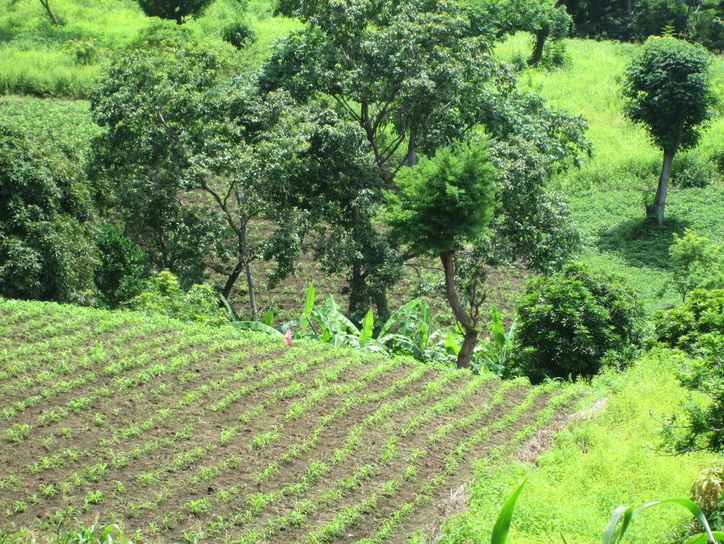
The fertile fields in Laguna de Apoyo
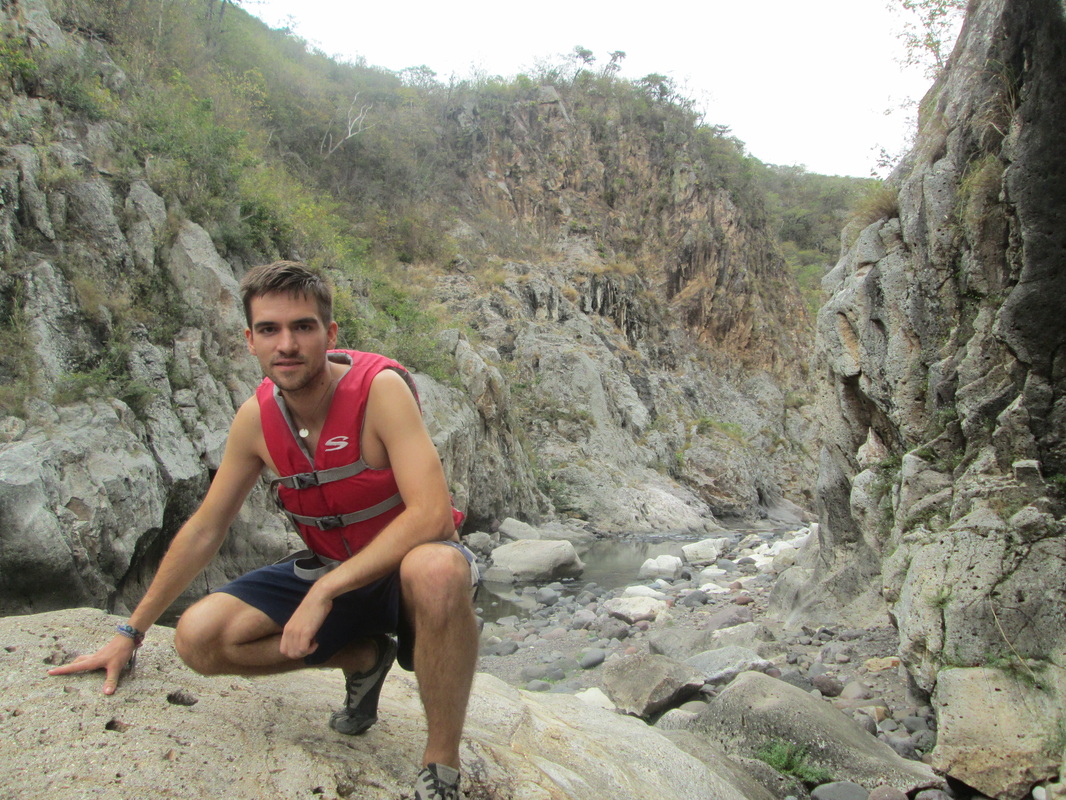
Cañon Somoto
As I return to the US I realize that I'm returning to a different country than I left, since my time in Nicaragua DOMA has been struck down, and gay marriage is legal in 16 states (plus Washington DC)! There is a nuclear non-proliferation treaty in the works between the US and Iran. Closer to home I will finally be able to drive across the
new eastern span of the bay bridge in between Oakland and San Francisco, and Richmond has banned the use of plastic bags and California has admitted an undocumented lawyer to the state bar! During the course of this year, I've lost some friends, while other have become engaged, gotten into graduate schools or continued to search for themselves around the world. Leaving is bitter sweet, and it may be difficult in some ways to return to what can often be a materialistic culture in my home country. Nevertheless I'm extremely excited to go and delve into the issues of college access with undeserved students in my home country.
new eastern span of the bay bridge in between Oakland and San Francisco, and Richmond has banned the use of plastic bags and California has admitted an undocumented lawyer to the state bar! During the course of this year, I've lost some friends, while other have become engaged, gotten into graduate schools or continued to search for themselves around the world. Leaving is bitter sweet, and it may be difficult in some ways to return to what can often be a materialistic culture in my home country. Nevertheless I'm extremely excited to go and delve into the issues of college access with undeserved students in my home country.
Curious about what is going on Nicaragua today? One of the biggest developments in the Western Hemisphere is occurring without the slightest awareness of the North American public. Check out the latest on the canal being constructed in Nicaragua that is intended to rival the Panama Canal.
On the domestic front, wow! When I wrote that blog post gay marriage was only legal in 16 states, and I was proud of that. Now the number of states which have reached marriage equality stands at 37!
On the domestic front, wow! When I wrote that blog post gay marriage was only legal in 16 states, and I was proud of that. Now the number of states which have reached marriage equality stands at 37!
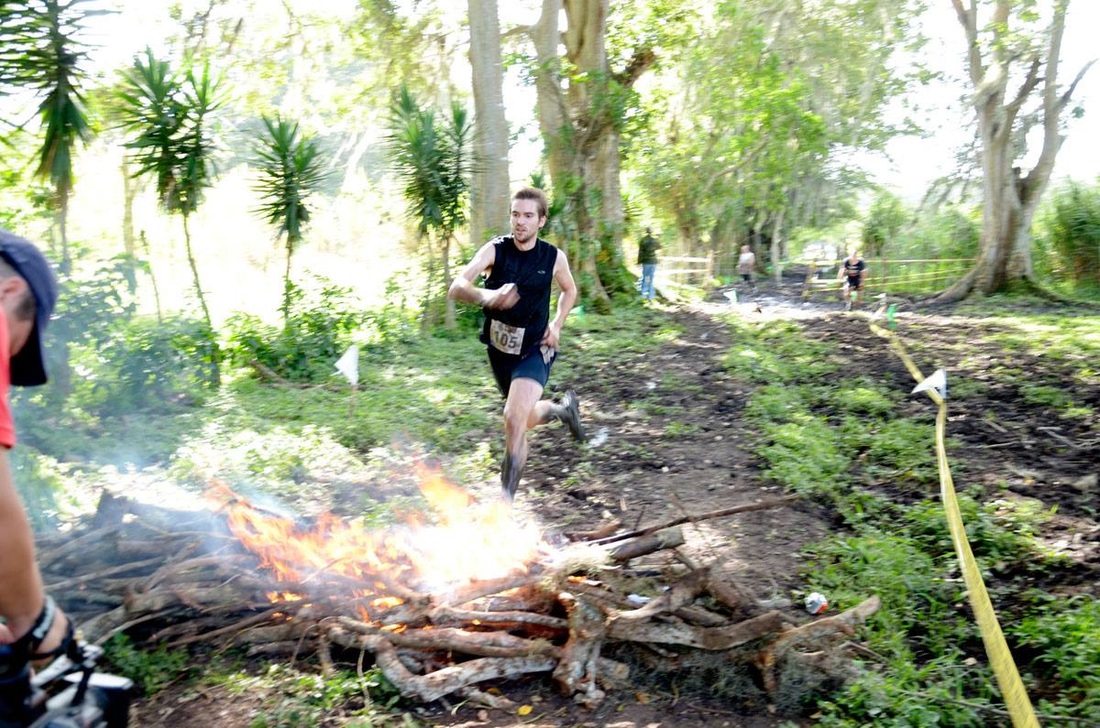
My first and only "adventure" race, in Jinotega. It was incredibly fun, and I would have been very successful if not for sever stomach issues that I blame on the food and or water.
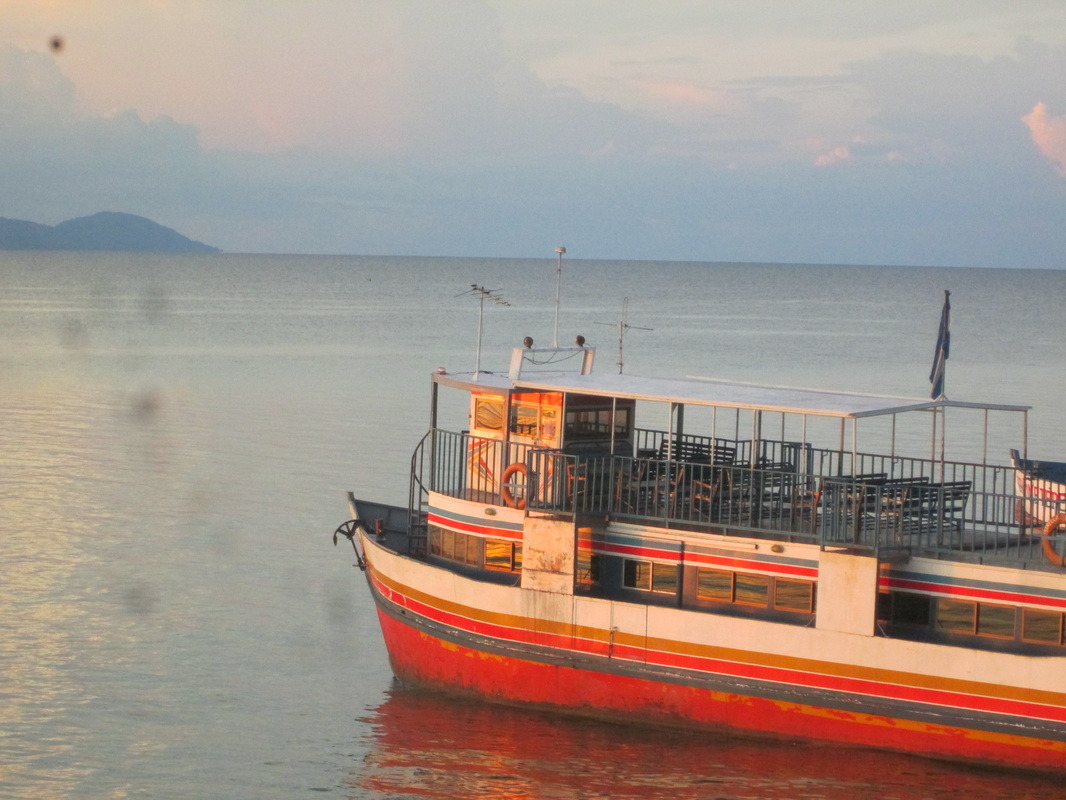
A Ferry on El Lago de Nicaragua. The second largest lake in Latin America.

 RSS Feed
